

ISD Team
20 Jun 2026
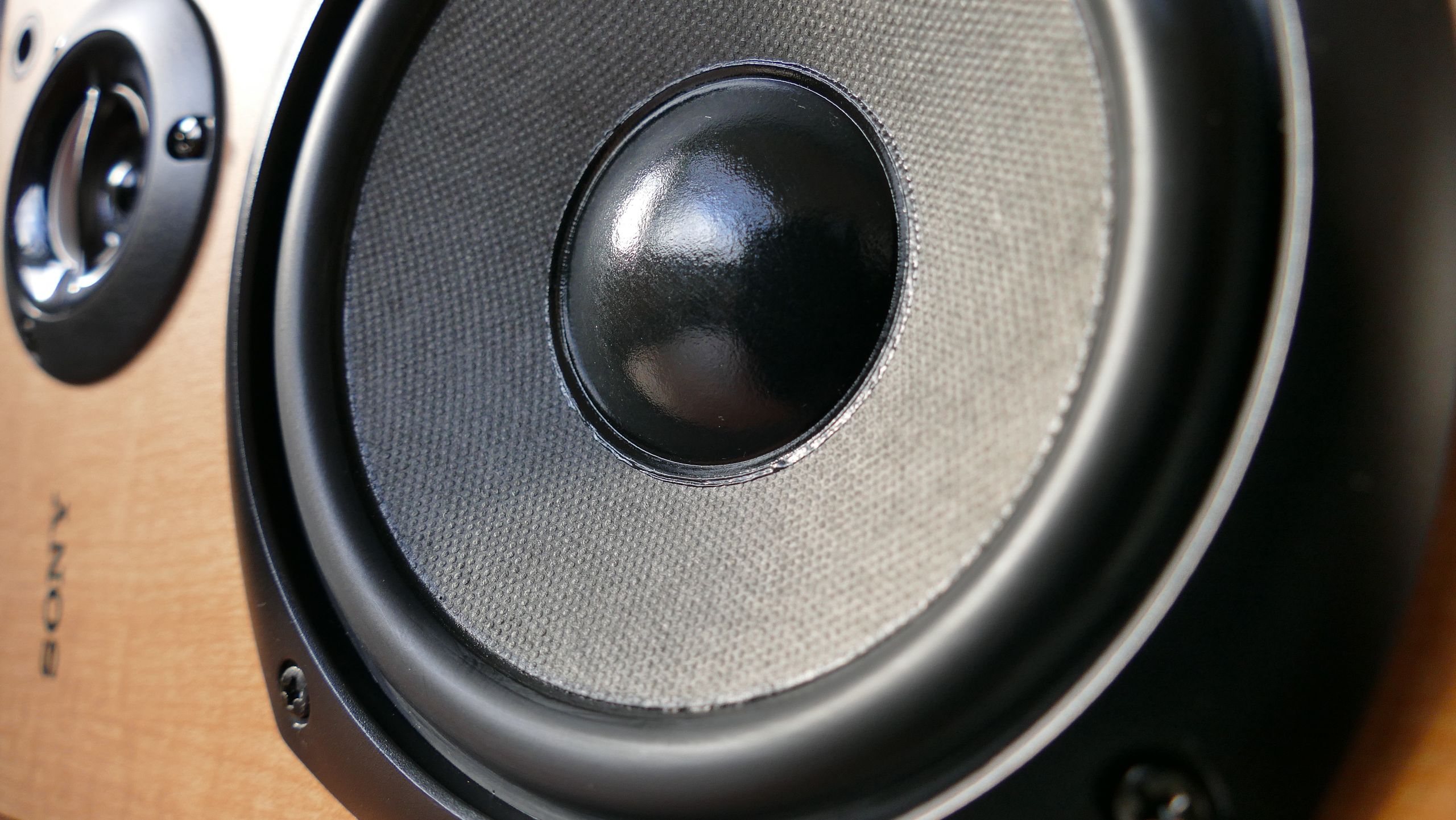
Penn State researchers have developed a 3D-printed acoustic metasurface that turns ordinary speakers into highly directional audio devices capable of creating a tiny, private “sound bubble.”
Key Highlights:
- The thin, 3D-printed cover (about 6 inches in diameter) attaches to parametric array loudspeakers (PALs) and focuses sound into an extremely small, isolated spot — roughly the size of a stick of gum (slightly wider than 1 inch and less than 0.25 inches tall).
- Sound is clearly audible and high-quality only inside this precise focal point (about 4 inches from the speaker). Just 2 inches outside the spot, volume drops by up to 50 decibels.
- The system delivers excellent audio quality across both high and low frequencies, including deep bass down to 38 Hz — a major improvement over traditional directional audio tech.
- Unlike complex active systems, this metasurface is completely passive, low-cost, and easy to mass-produce with a 3D printer or plastic mold.
Potential Applications:
- Private listening in public spaces (ATMs, ticket kiosks, retail displays)
- Personalized audio in vehicles (multiple passengers listening to different content)
- Headphone-free audio without disturbing others
The research, led by doctoral candidate Jee Woo Kevin Kim and professor Yun Jing, was published in IEEE Transactions on Ultrasonics (May 2026).
Latest magazine
Take a look at the latest magazine posts.