
ISD Team
07 May 2026

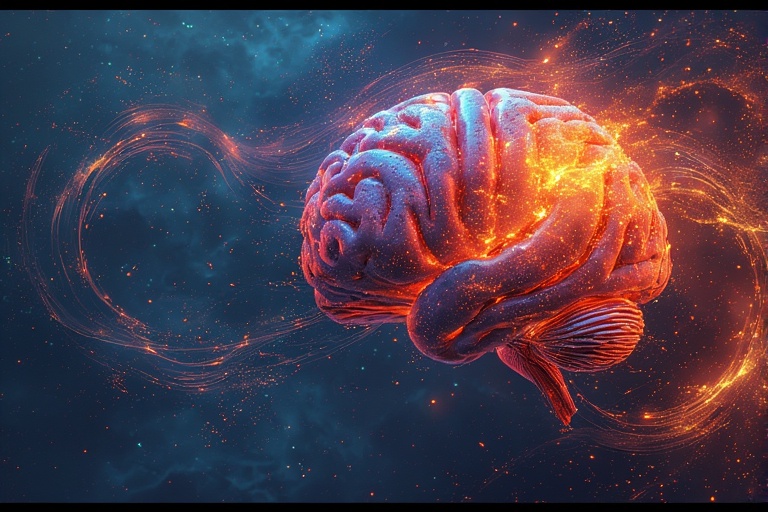
When a sound ends, your brain doesn’t simply register silence — it actively generates a sharp “offset” signal. This internal “biological punctuation mark” is essential for parsing gaps in speech and accurately judging how long a sound lasts. This is vital for understanding the rhythm and timing in speech, music, and environmental sounds.
A new study shows that even after loud noise exposure damages hearing, the brain has a powerful built-in recovery mechanism. Within just 24 hours, specialized neural circuits in the brainstem reorganize to restore these critical offset signals. This allows the brain to continue detecting when sounds stop, even when overall hearing sensitivity is reduced.
Key Facts
- The Offset Signal: These signals are generated in the superior paraolivary nucleus (SPN), a specialized brainstem region that functions like a precise neural timer — firing specifically when sound input ceases.
- Rapid Recovery: Right after noise-induced damage, SPN neurons temporarily lose their ability to fire. However, the system quickly adapts, achieving major functional recovery within a single day.
- Coordinated Adaptation: The brain employs a smart “push-pull” strategy to repair the circuit:
- Push: SPN neurons become more excitable and easier to activate.
- Pull: The brain strengthens and increases inhibitory synaptic inputs onto these neurons.
- Resilience Paradox: This reorganization restores precise timing detection, particularly for louder sounds, effectively compensating for the damage — while the person may still struggle to hear quieter sounds.
- Clinical Significance: The findings reveal the auditory system’s impressive natural resilience and open new possibilities for treatments targeting noise-induced hearing loss, a growing issue in urban environments.
Latest magazine
Take a look at the latest magazine posts.