
Researchers at Radboud University’s Donders Institute have shown for the first time in humans that targeted ultrasound waves directed at the amygdala — the brain region central to processing fear — can accelerate the process of overcoming learned fear.
In the study, participants were taught to associate certain images of snakes with a mild electric shock, creating a conditioned fear response (measured by skin sweat reactions). When the amygdala was stimulated with brief, inaudible high-frequency ultrasound waves during this learning phase, participants developed the fear response more slowly, requiring more repetitions to associate the snakes with danger.
The more striking result occurred during the fear extinction phase (when the shocks stopped): participants whose amygdala had been stimulated earlier unlearned the fear much more quickly — even after the ultrasound was no longer being applied. This suggests that the amygdala not only influences how quickly we learn fear, but also how “sticky” or resistant those fear memories are to being updated or erased.
Potential for Anxiety Treatment
The findings, published in Science Advances, indicate that non-invasive ultrasound could become a valuable tool to enhance exposure therapy for anxiety and trauma-related disorders. By stimulating the amygdala while a fear memory is reactivated, therapists might help patients update and reduce those memories more effectively.
Lead researcher Sjoerd Meijer noted that while the study focused on the formation and extinction of new fear responses, the next step is to test whether the same approach works on pre-existing fear memories.
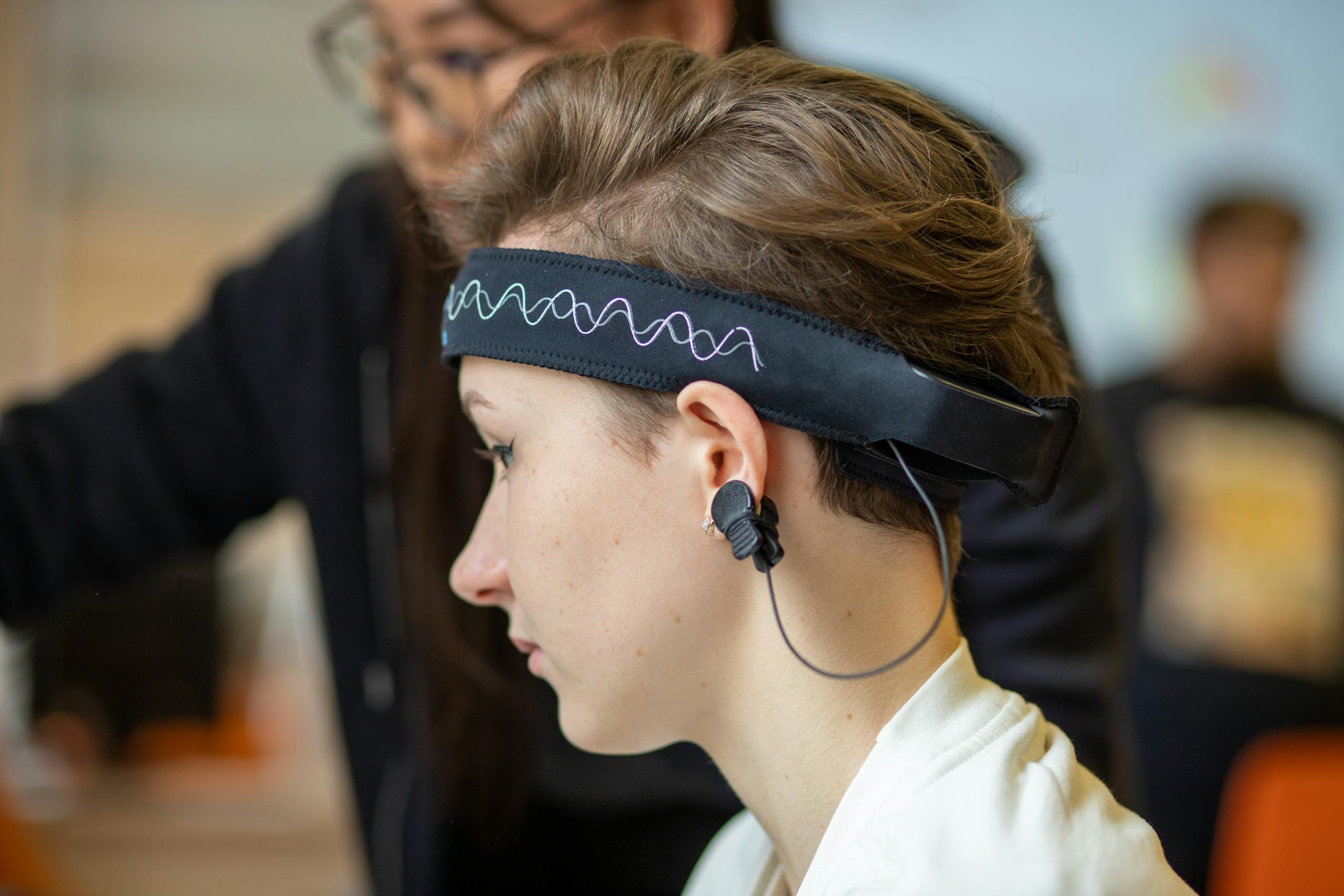
This technique is completely non-invasive — the ultrasound device is simply placed on the head — and builds on known roles of the amygdala from animal studies and human brain imaging.